

Understanding School Refusal:
Supporting Your Child with Compassion and Confidence
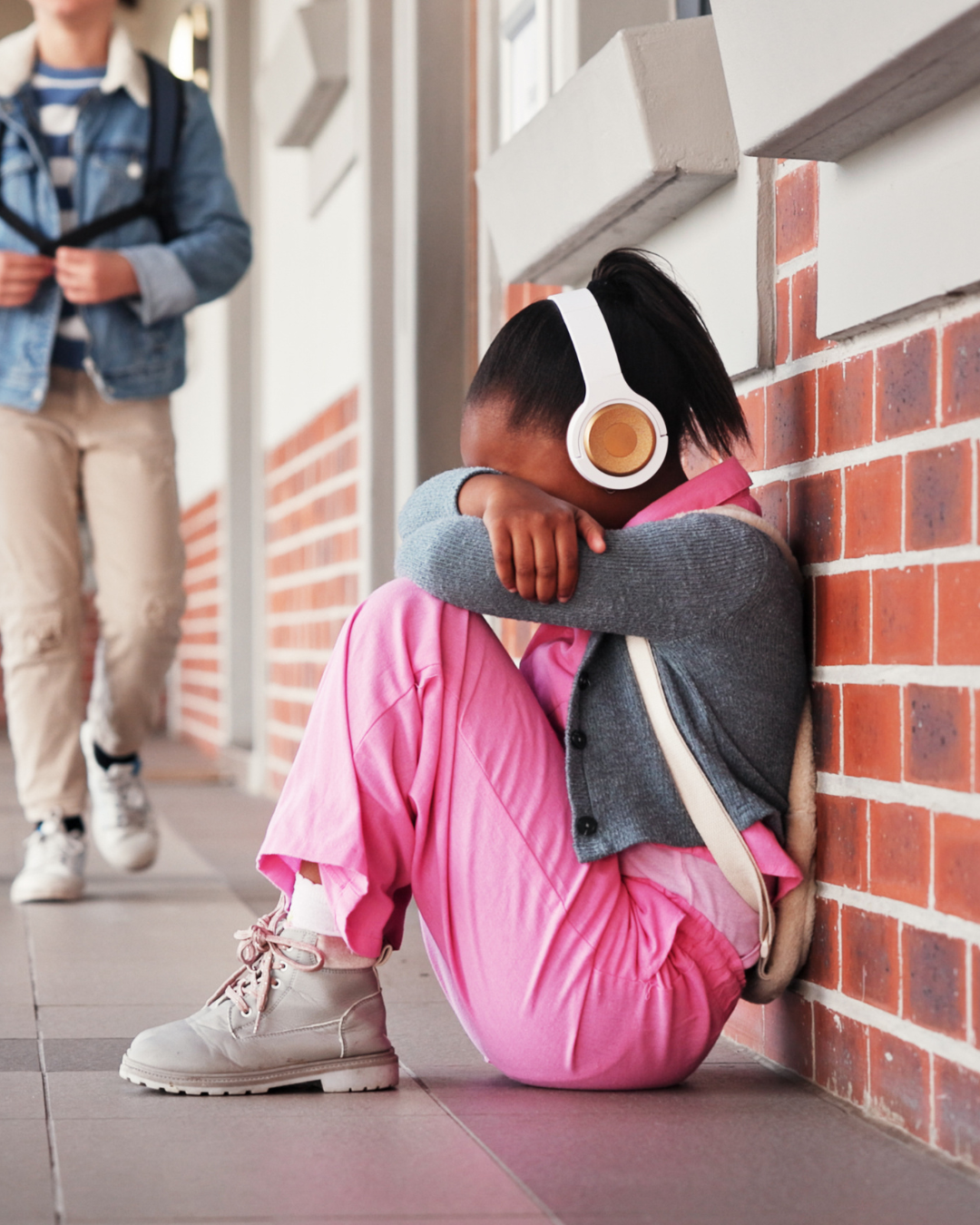
When your child suddenly refuses to go to school, it can feel overwhelming, frustrating, and even frightening. As a parent, you may question whether this is a phase, defiance, anxiety, or something deeper.
At ReWellness Counselling, we work closely with children and families experiencing school refusal, and we understand how emotionally complex this situation can be. The good news? With the right support, children can rebuild confidence and feel safe returning to education.
What Is School Refusal?
School refusal is not simply “bad behaviour” or laziness. It is usually rooted in emotional distress. Children experiencing school refusal often feel intense anxiety, fear, overwhelm, or emotional dysregulation linked to the school environment.
It can look like:
- Tearfulness or panic before school
- Physical symptoms (stomach aches, headaches, nausea)
- Emotional shutdown or meltdowns
- Avoidance behaviours in the morning
- Difficulty separating from parents
- Increased anxiety on Sunday evenings or after holidays
School refusal often affects children aged 7+, but it can occur at any stage, including transitions to secondary school.
Why Does School Refusal Happen?
There is rarely one single cause. Instead, it is usually a combination of factors:
Anxiety
Generalised anxiety, separation anxiety, social anxiety, or performance anxiety can all make school feel overwhelming.
Trauma or Stress
Family changes, friendship breakdowns, bullying, illness, or past negative school experiences can trigger avoidance.
Neurodiversity
Children who are autistic, have ADHD, or sensory sensitivities may find the school environment overstimulating or exhausting.
Emotional Overload
Some children work incredibly hard to “hold it together” during the school day and then collapse emotionally at home.
Importantly, school refusal is not about parenting failure. It is often a sign that a child is struggling internally and doesn’t yet have the language or tools to explain it.

What Not to Do
When emotions are high, it’s natural to want to “push through” or apply consequences. However, increasing pressure can intensify anxiety.
Avoid:
- Dismissing their fears
- Threatening punishment
- Comparing them to siblings or peers
- Forcing without understanding the root cause
Behind avoidance is usually fear.

What Helps?
1. Stay Calm and Curious
Instead of “You have to go,” try:
“Help me understand what feels hard about school right now.”
Children open up when they feel safe, not pressured.
2. Validate Their Feelings
Validation does not mean agreeing with avoidance. It means acknowledging their experience:
“It sounds like school feels really overwhelming at the moment.”
3. Small, Gradual Steps
Sometimes full attendance isn’t the first step. It might begin with:
- Visiting the school after hours
- Meeting one safe adult
- Starting with half days
- Creating a predictable morning routine
4. Work With the School
Many schools are increasingly aware of emotionally based school avoidance (EBSA). Open communication and a gentle reintegration plan can make a significant difference.
5. Seek Professional Support
If school refusal continues, therapy can help children:
- Understand their anxiety
- Learn coping strategies
- Build emotional regulation skills
- Rebuild confidence
- Process underlying trauma
Counselling also supports parents to respond calmly and consistently, reducing household stress.
How We Support Children at ReWellness Counselling
At ReWellness, we specialise in supporting children and young people aged 7–17 with anxiety, trauma, separation difficulties, neurodiversity, and emotionally based school avoidance.
Our approach is:
- Child-centred
- Trauma-informed
- Gentle and collaborative
- Focused on building emotional resilience
We work at your child’s pace. Our goal is not simply school attendance — it is emotional safety, confidence, and long-term wellbeing.
We also offer parent support alongside children’s sessions, because when parents feel supported, children feel safer.
When to Seek Help
You might consider counselling if:
- Your child has missed multiple days or weeks
- Morning distress is escalating
- Physical symptoms are frequent
- Family stress is increasing
- You feel stuck or unsure what to try next
Early intervention makes a real difference.
A Final Word for Parents
If your child is refusing school, you are not alone, and you are not failing. School refusal is often a sign of a sensitive, overwhelmed child who needs understanding and support.
With compassion, patience, and the right guidance, children can regain confidence and rediscover a sense of safety in learning.
If you would like to talk about how we can support your child, please get in touch with ReWellness Counselling. We are here to help.

0 Comments