


Neurodiversity Celebration Week:
Understanding, Supporting and Celebrating Every Mind
Neurodiversity Celebration Week is an opportunity to pause, reflect, and recognise something deeply important:
there is no single “right” way for a brain to work.
Every child, young person, and adult experiences the world in their own unique way. For some, this includes being neurodivergent; such as autism, ADHD, dyslexia, dyspraxia, and other differences in thinking, learning, and processing.
At ReWellness Counselling, we believe these differences are not deficits. They are part of human diversity and they deserve understanding, support, and respect.
What is Neurodiversity?
Neurodiversity is the idea that variations in how the brain works are natural.
Rather than seeing conditions like ADHD or autism as something to be “fixed”, neurodiversity encourages us to ask a different question:
How can we better support individuals to thrive as they are?
For many neurodivergent people, challenges can arise not because of who they are but because the world around them isn’t designed with their needs in mind.

Seeing Beyond the Challenges
It’s easy for conversations around neurodiversity to focus on difficulties struggles at school, emotional regulation, or social differences.
But it’s equally important to recognise strengths.
Many neurodivergent individuals bring:
- Creativity and imagination
- Deep focus and passion for interests
- Strong attention to detail
- Honest and authentic communication
- Unique ways of problem-solving
When we shift our perspective, we begin to see the whole person—not just the challenges they may face.
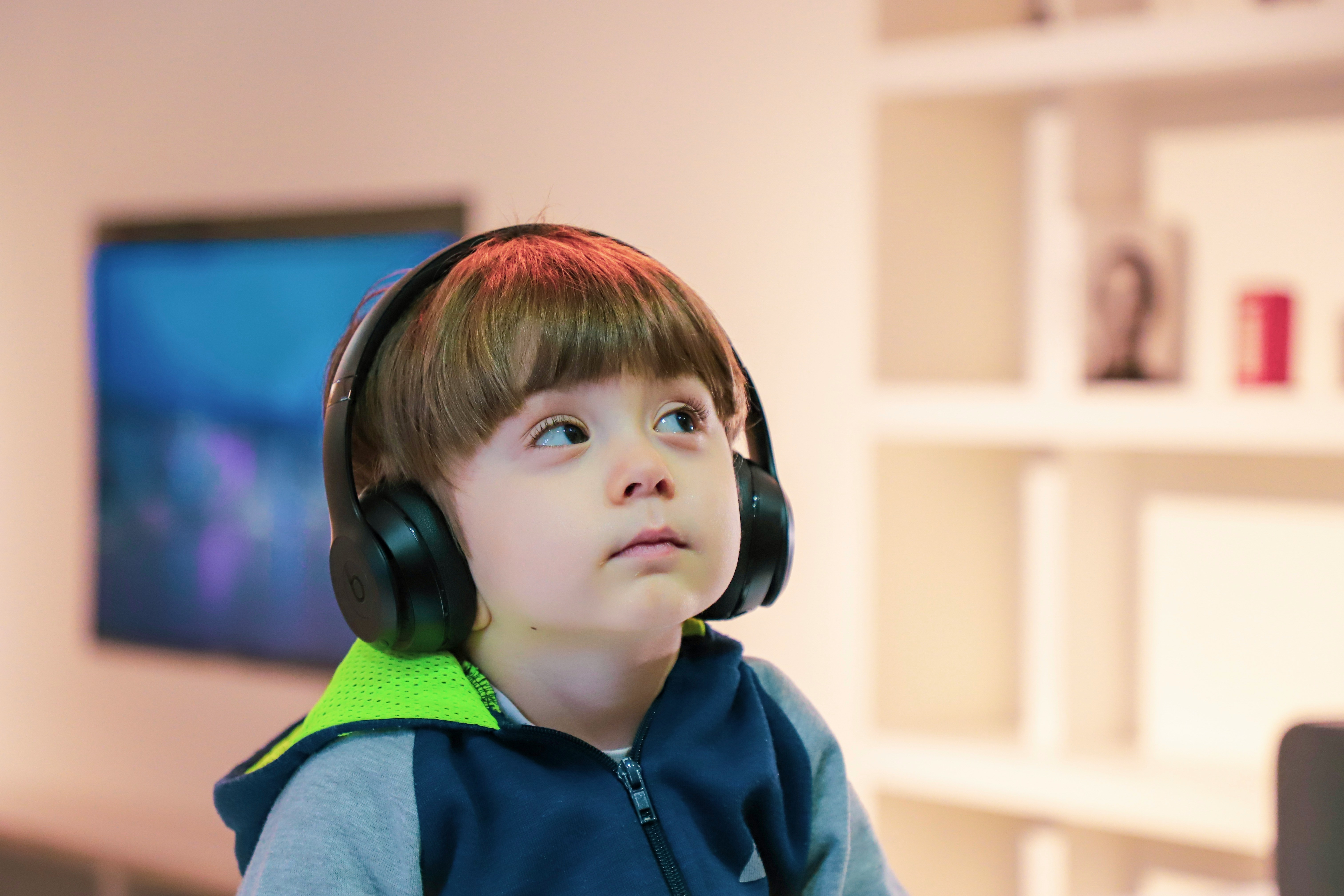
Supporting Neurodivergent Children
For parents and carers, supporting a neurodivergent child can sometimes feel overwhelming. You may be navigating school challenges, emotional outbursts, or feeling unsure how best to help.
You’re not alone—and there is no one “perfect” way to do this.
Some gentle, supportive approaches include:
- Listening without judgement
- Creating predictable routines to help your child feel safe
- Allowing space for regulation rather than expecting immediate calm
- Adapting expectations to meet your child where they are
- Celebrating their individuality
Often, what a child needs most is to feel understood—not corrected.
Why Awareness Matters
Misunderstandings around neurodiversity can lead to children being labelled as “difficult”, “lazy”, or “disruptive”.
In reality, many neurodivergent children are working incredibly hard just to navigate environments that don’t naturally suit them.
Awareness helps us move from frustration to compassion.
From judgement to understanding.
And that shift can make a profound difference in a child’s wellbeing and self-esteem.
Creating a More Supportive World
Neurodiversity Celebration Week isn’t just about awareness—it’s about acceptance.
It’s about creating homes, schools, and communities where differences are recognised and supported, not hidden or misunderstood.
When we take the time to understand how someone experiences the world, we create space for them to feel safe, valued, and confident in who they are.
A Final Thought
Every mind is different.
Every experience is valid.
At ReWellness Counselling, we are here to support children, young people, and families in navigating these differences with care, compassion, and understanding.
Because no one should feel like they need to change who they are to be accepted.


Written by ReWellness
More From This Category
Understanding School Pressure in Older Children and Teenagers
Understanding School Pressure in Older Children and Teenagers Supporting Your Child with academic pressure As children grow into teenagers, school can become increasingly demanding. Academic expectations rise, social pressures intensify, and many young people begin...
Understanding School Pressure in Older Children and Teenagers
Understanding School Pressure in Older Children and Teenagers Supporting Your Child with academic pressure As children grow into teenagers, school can become increasingly demanding. Academic expectations rise, social pressures intensify, and many young people begin...
Understanding School Pressure in Older Children and Teenagers
Understanding School Pressure in Older Children and Teenagers Supporting Your Child with academic pressure As children grow into teenagers, school can become increasingly demanding. Academic expectations rise, social pressures intensify, and many young people begin...
0 Comments